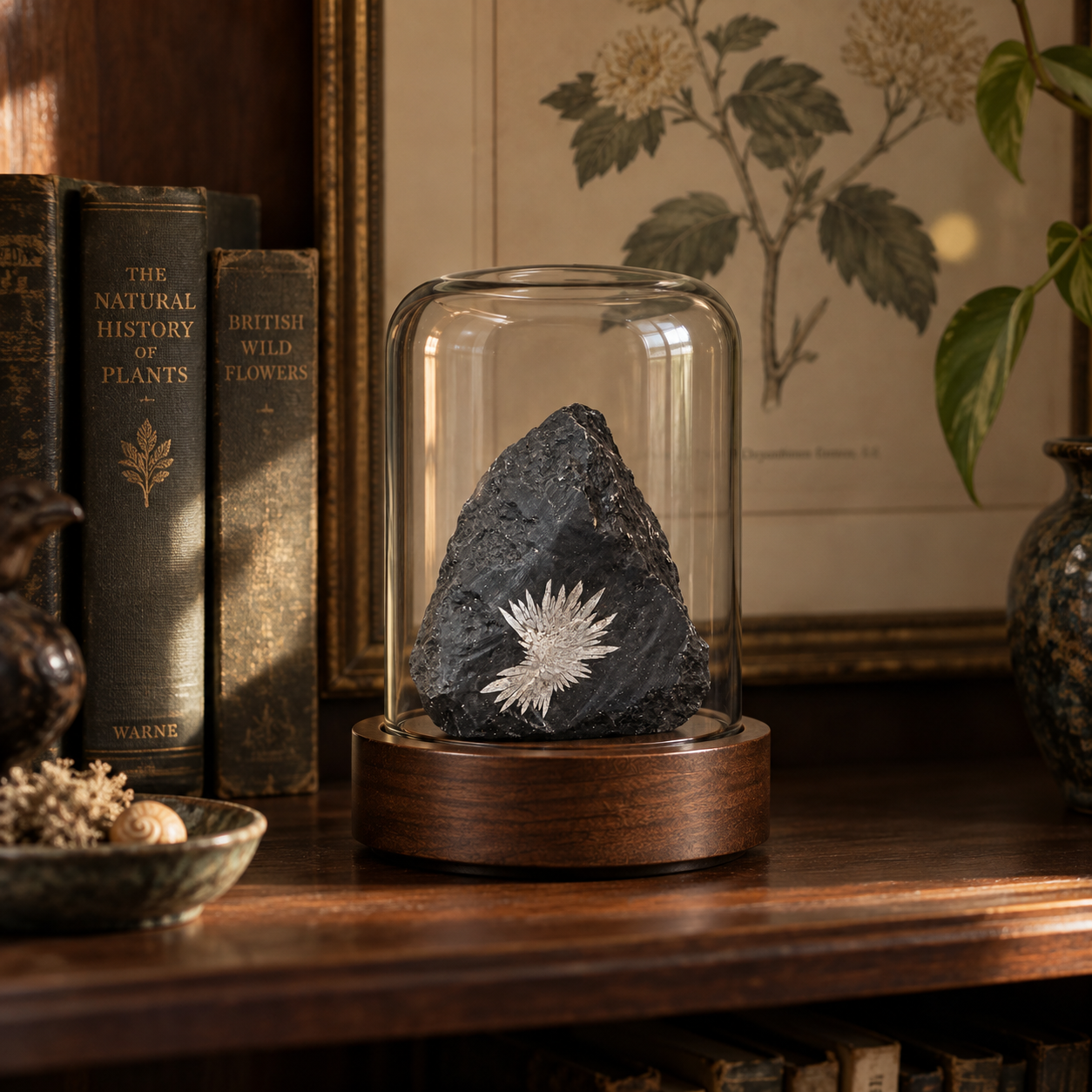
Chrysanthemum Stone
A pale flower opens across dark stone - a botanical image made entirely by geology.
Choose an edition
Payment is collected when you reserve.
First collection ships beginning December 2026. Most first-collection orders are expected to ship December 2026-January 2027. Cancel anytime before shipment for a full refund.
- Feeling
- Wonder
- Origin
- Yonghe sepiolite mine near Liuyang City, Hunan Province, China
- Treatment / Finish
- Untreated
In the Home
Where it belongs
Chrysanthemum Stone belongs where its impossible pattern can start a conversation: an entry console or living-room shelf with enough space around it to be read at once.
Formation
How it came to be
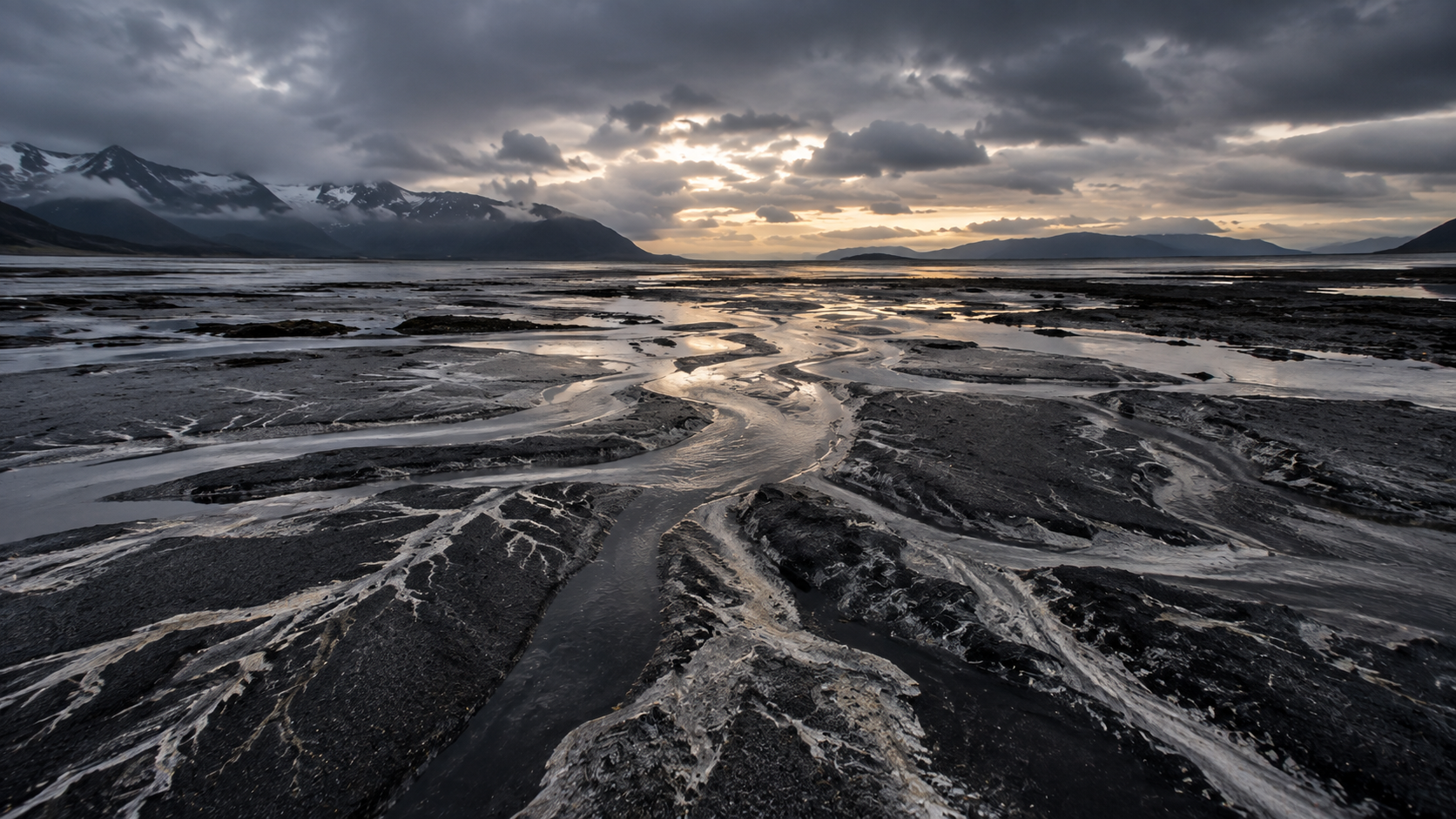
Its flower-like mineral aggregates developed within sedimentary rock as mineral-rich fluids filled fractures and crystal growth radiated outward.
The flower is not a fossil and no plant is trapped inside the rock. It is a radiating mineral pattern, formed as pale crystals grew outward through a darker matrix.
Specimens from Hunan are known for sharply legible blossoms, sometimes single and sometimes gathered like a field across the stone.
The resemblance feels deliberate, but it is geology arriving independently at a form we recognise from the living world.
The Object
We select stones where the radiating structure reads clearly against the matrix and the natural form supports, rather than competes with, the apparent flower.
Closer In
Closer in, each petal resolves into a mineral blade radiating from a shared centre - crystalline growth, not botanical tissue.
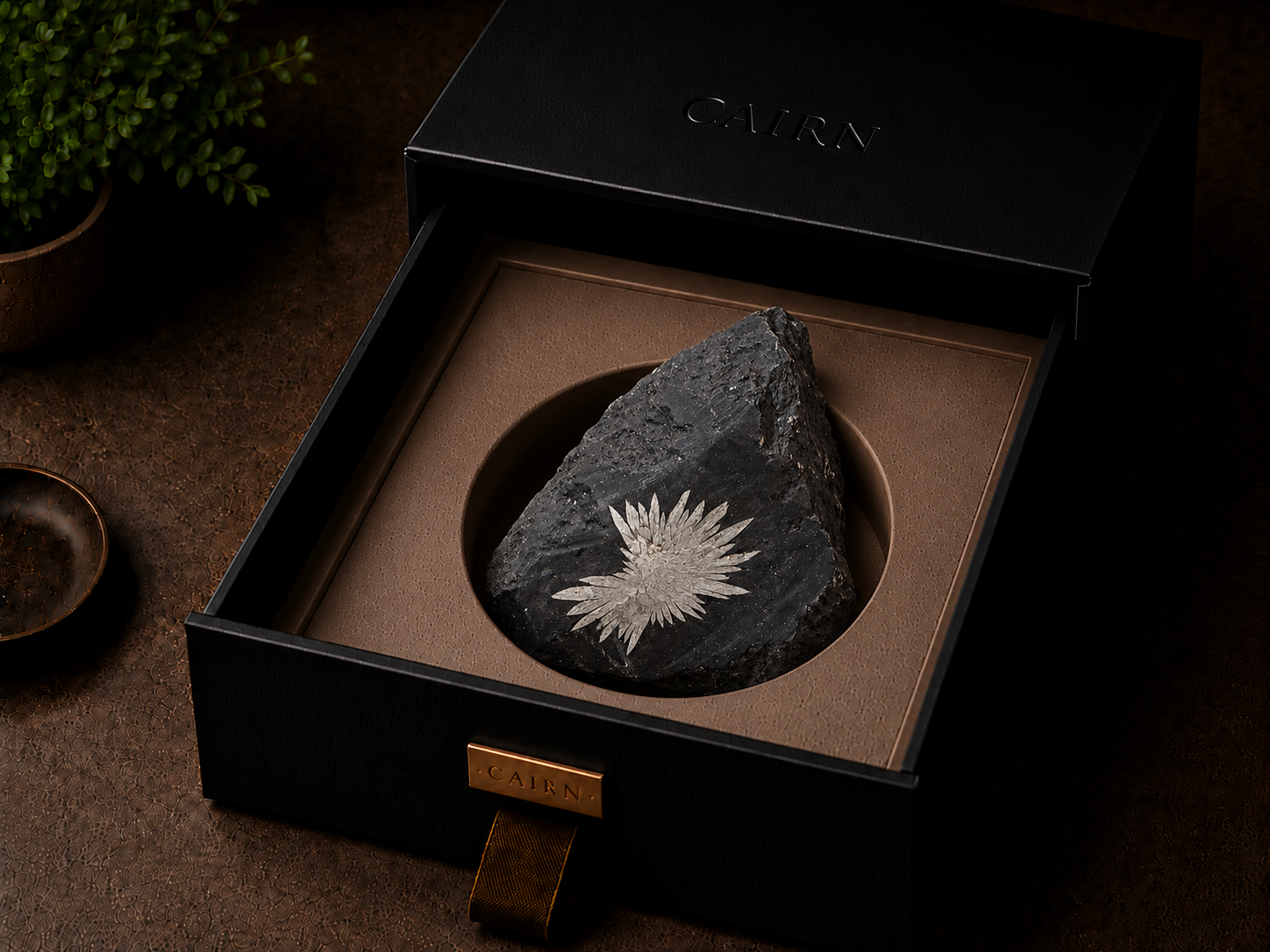
Packaging
Designed to be kept, not discarded.
- Museum-inspired specimen card
- Object provenance and formation notes
- Protective presentation materials
- Designed to be kept, not discarded
You may also notice
From the Journal