Pyrite
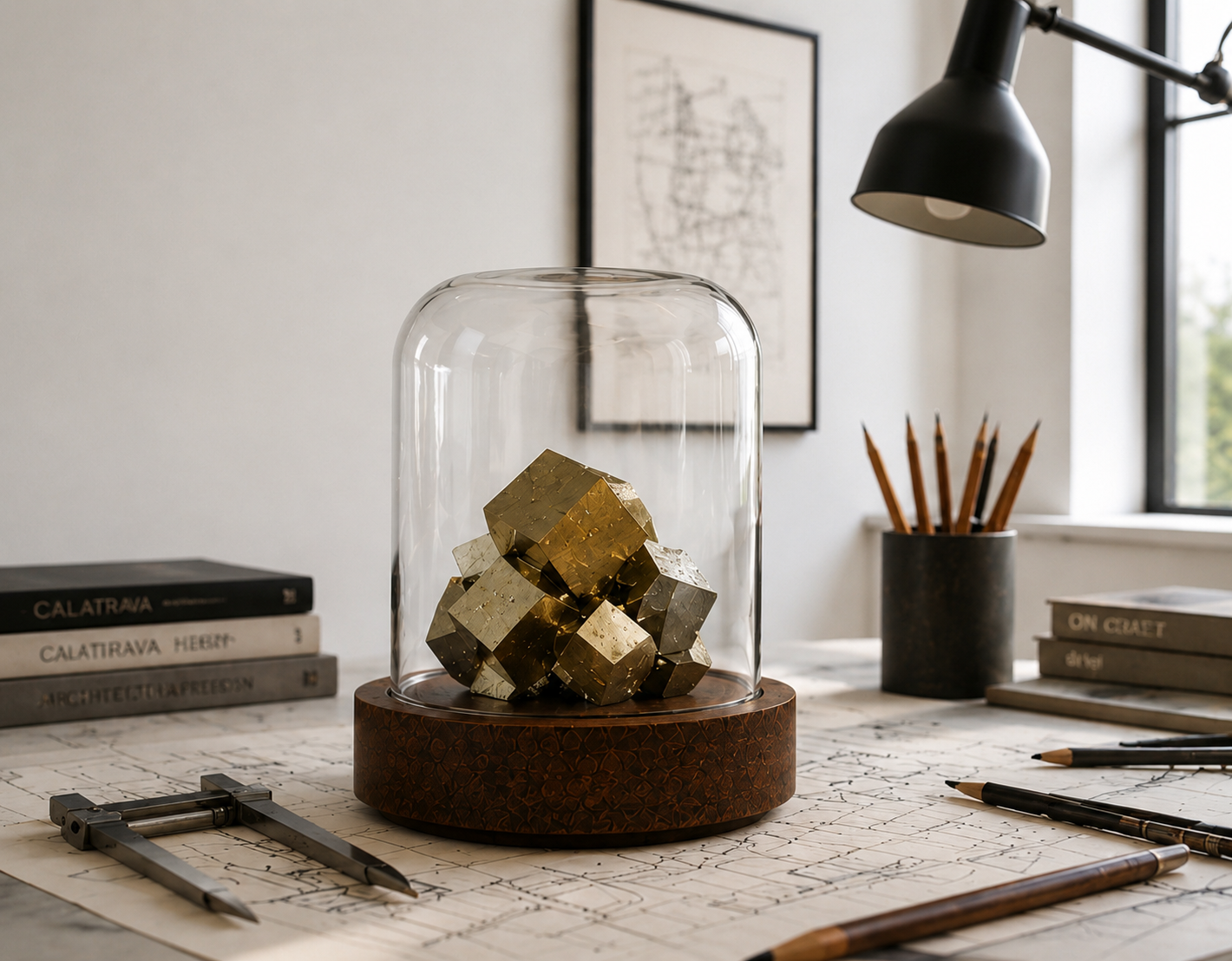
Near-perfect metallic cubes, formed by the earth without a single tool.
Choose an edition
Payment is collected when you reserve.
First collection ships beginning December 2026. Most first-collection orders are expected to ship December 2026-January 2027. Cancel anytime before shipment for a full refund.
- Feeling
- Focus
- Origin
- Navajún, Spain
- Treatment / Finish
- None
In the Home
Where it belongs
Pyrite has weight and gleam - it holds a desk or mantel with quiet authority. It rewards being picked up as much as looked at.
Formation
How it came to be
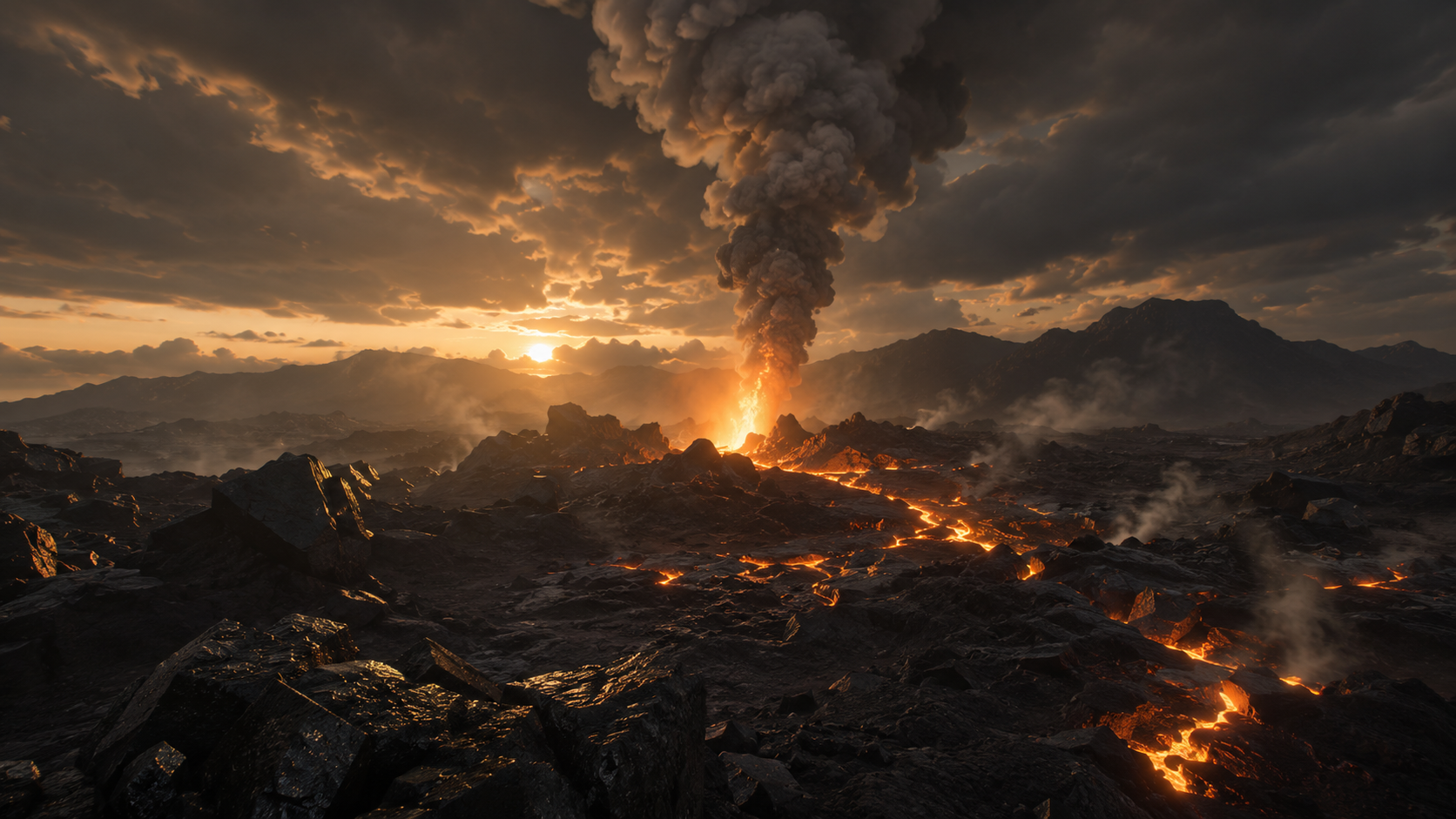
It forms in low-temperature sedimentary and hydrothermal environments, where iron and sulphur combine in the absence of oxygen.
Pyrite is iron sulphide, long nicknamed fool's gold for its metallic yellow lustre. Its natural tendency to grow in cubes makes it a favourite of collectors and crystallographers alike.
The mine at Navajún in La Rioja, Spain, is renowned for pyrite cubes of extraordinary sharpness, grown within a soft marl that is carefully removed to reveal them.
The cubes are not cut or shaped. Their flat faces and clean right angles directly express the mineral's internal atomic lattice.
The Object
We select clusters with bright, untarnished faces and well-defined cubes, keeping natural matrix where it lends context and stability.
Closer In
Under magnification the faces show fine striations running in alternating directions - the growth lines that distinguish natural pyrite.
Packaging
Designed to be kept, not discarded.
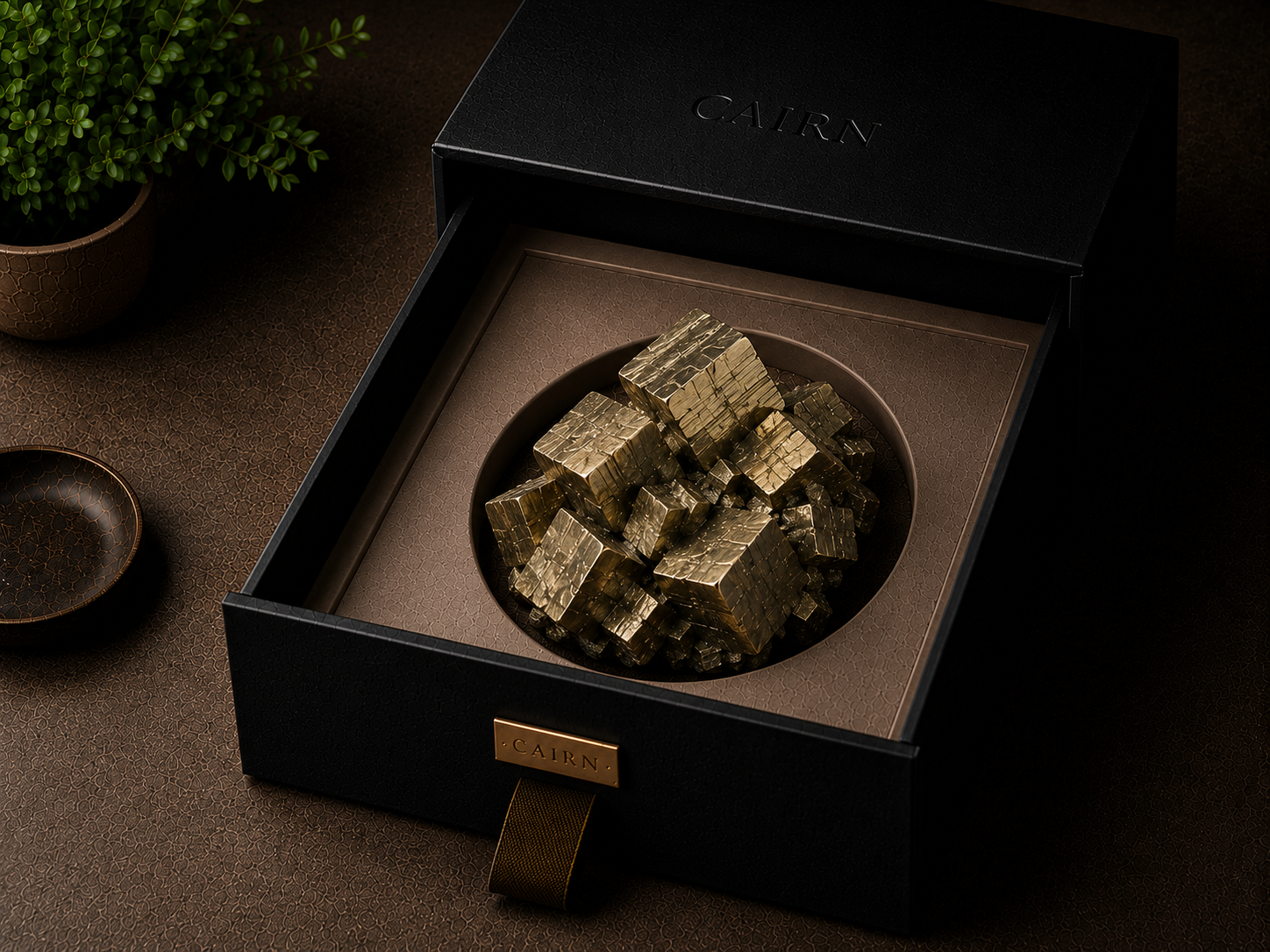
- Museum-inspired specimen card
- Object provenance and formation notes
- Protective presentation materials
- Designed to be kept, not discarded
You may also notice
From the Journal